
Unionsleden stage 6, Edsleskog - Borgvik
60 km
 Attraction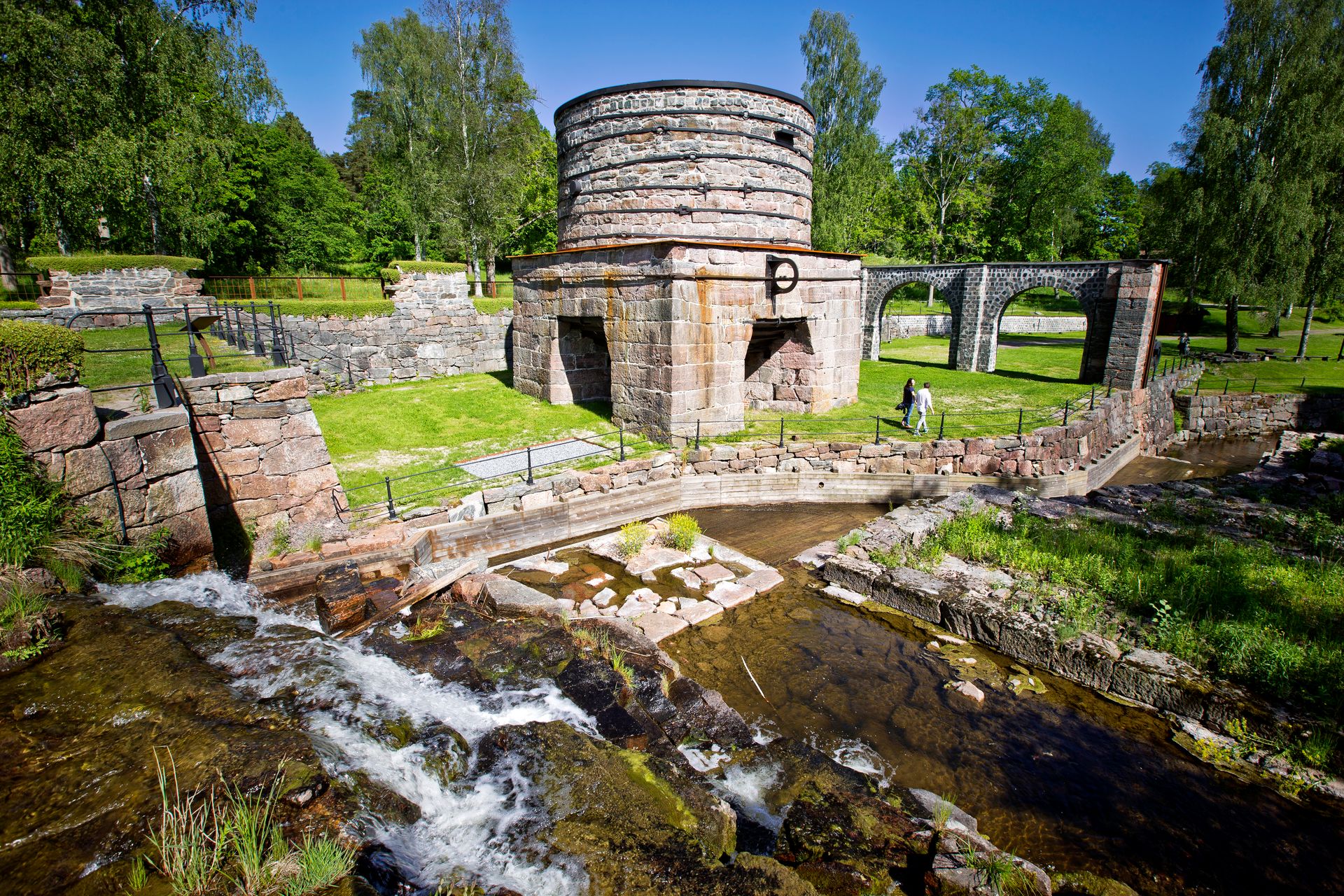
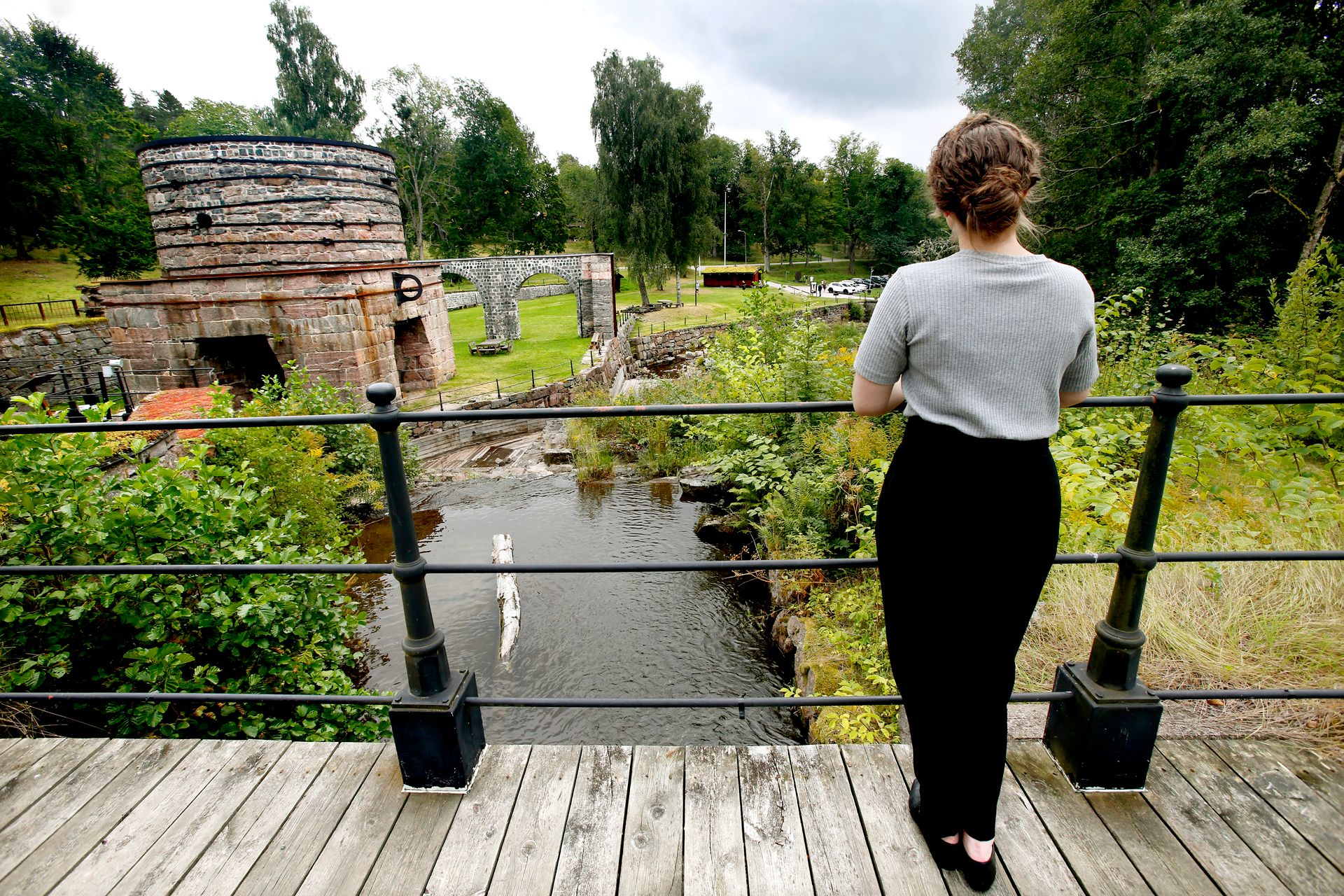
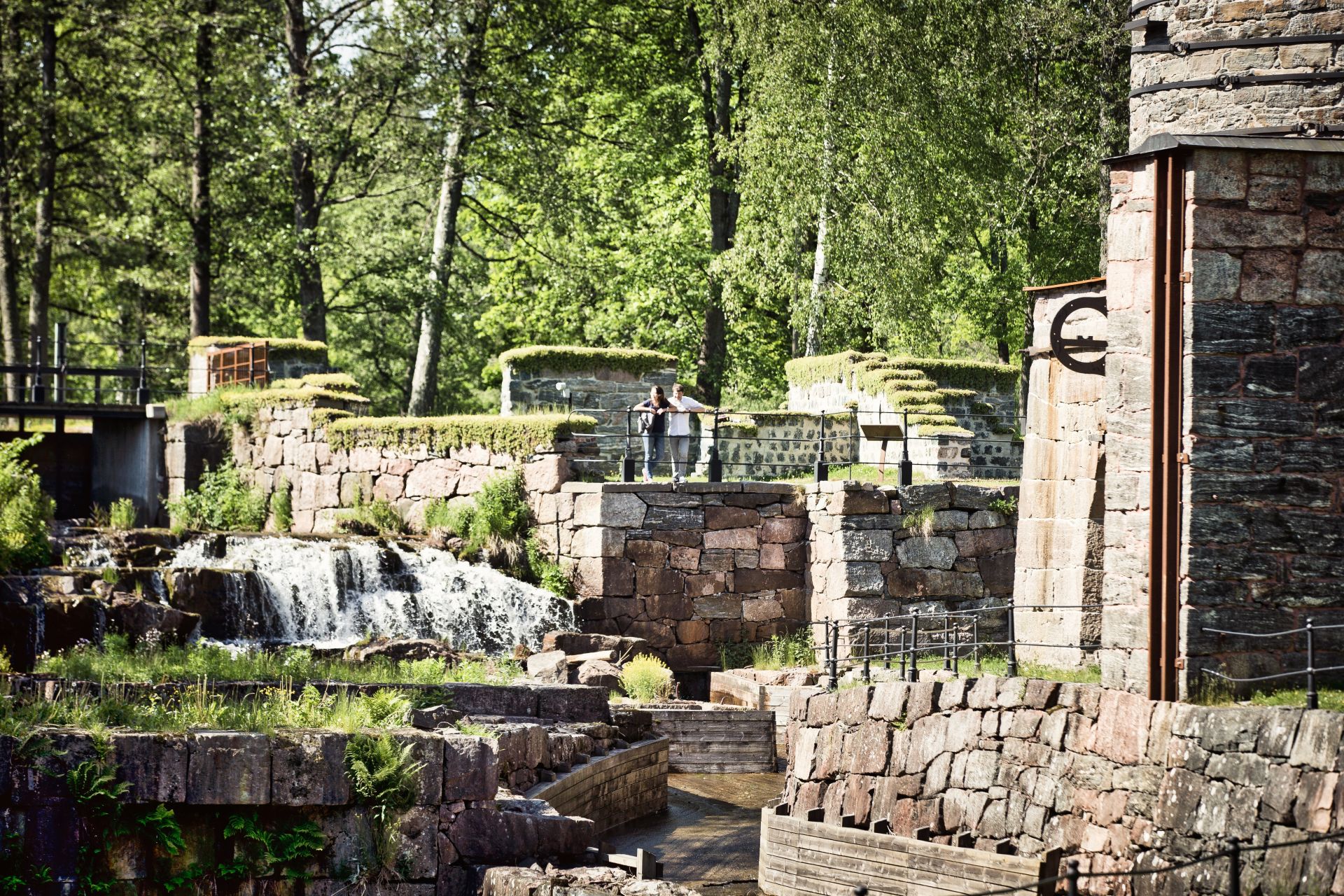
Discover the Hyttruinen in Borgvik and learn more about its history as one of Värmland’s significant ironworks.
Borgvik has a long history as an ironworking community. Iron production began as early as the beginning of the 17th century, but it was particularly from around 1840 until the end of the 19th century that the ironworks expanded and developed.
With new technology and new businesses, Borgvik grew from a small ironworks into a significant industrial site. The operations included not only iron production, but also mining interests, mills, agriculture, sawmills and forestry.
The products were transported across Lake Vänern to Gothenburg and from there onwards to destinations around the world.
Construction of the large blast furnace began in 1862. The work was led by Jonas Olsson from Långbansände ironworks. He was a childhood friend of the renowned inventor John Ericsson and was often hired to build and repair blast furnaces.
The blast furnace was completed in 1865 and was first fired up on 14 December that year. It then operated continuously for 2,110 days, until 25 September 1871, when it was shut down for inspection. This is the longest period of continuous operation ever recorded for a charcoal-fired blast furnace in Sweden.
In 1870, the blast furnace was the most productive of the 25 blast furnaces operating in Värmland at the time. Production reached 92,504 centner, equivalent to approximately 3,931 tonnes of pig iron. Borgvik also had the highest daily production, at 254.1 centner, equivalent to approximately 10.8 tonnes.
Production at the ironworks ended with the final shutdown of the blast furnace on 3 October 1922, while the rolling mill closed on 5 April 1924.
Would you like to learn more about Borgvik’s history? Historical guided tours are available year-round for both small and large groups. The content can be adapted to suit the interests of each group.
Contact: Stig Olsen, +46 70 640 61 22.